The castle complex operates daily during the main season with opening hours of 10:00–18:30 and last admission around 17:00. Seasonal exceptions can apply for events, winter operations, or maintenance, so verify your date before setting out from Stuttgart.
A hilltop heritage visit rather than a room-by-room palace experience, Hohenzollern Castle combines a steep approach, panoramic viewpoints, self-guided interiors, and a strong dynastic backstory in the hills south of Stuttgart. You arrive below the summit, continue by shuttle and on foot to Eagle’s Gate, then explore a route that covers selected historic rooms, chapels, casemates, and the treasury instead of a vast open interior. What makes this visit distinctive is how much the experience depends on the hilltop setting and silhouette as much as the rooms themselves. This guide helps you understand what to expect before planning the trip.
Why [do/see/take/try] [Experience]?

1/4
A hilltop castle with dramatic silhouette
You experience Hohenzollern Castle as much from the approach and ridgeline views as from the interiors. The full silhouette reveals why the hilltop setting is central to the visit.
Self-guided access to core spaces
The standard route covers selected rooms across two floors along with the treasury, chapels, and casemates. You move at your own pace and can use the castle app for added context.
Hilltop arrival sequence
The visit begins below the summit, continues by shuttle to Eagle’s Gate, and finishes with a short uphill walk. That staged arrival makes the first courtyard views feel earned rather than immediate.
Honest note about interior value
If you want a deeply room-focused palace visit, the standard route may feel limited. This experience suits visitors who value the exterior setting, ascent, and views as much as the interiors.
Plan your visit to <attraction>
Plan your visit is a practical, logistics-forward guide to Hohenzollern Castle. Start with arrival and access, then move to opening hours, last-entry policies, and how to pace a visit so you can enjoy both exterior viewpoints and interior rooms without feeling rushed. The plan emphasizes the hilltop arrival sequence and how that arrival shapes your day.
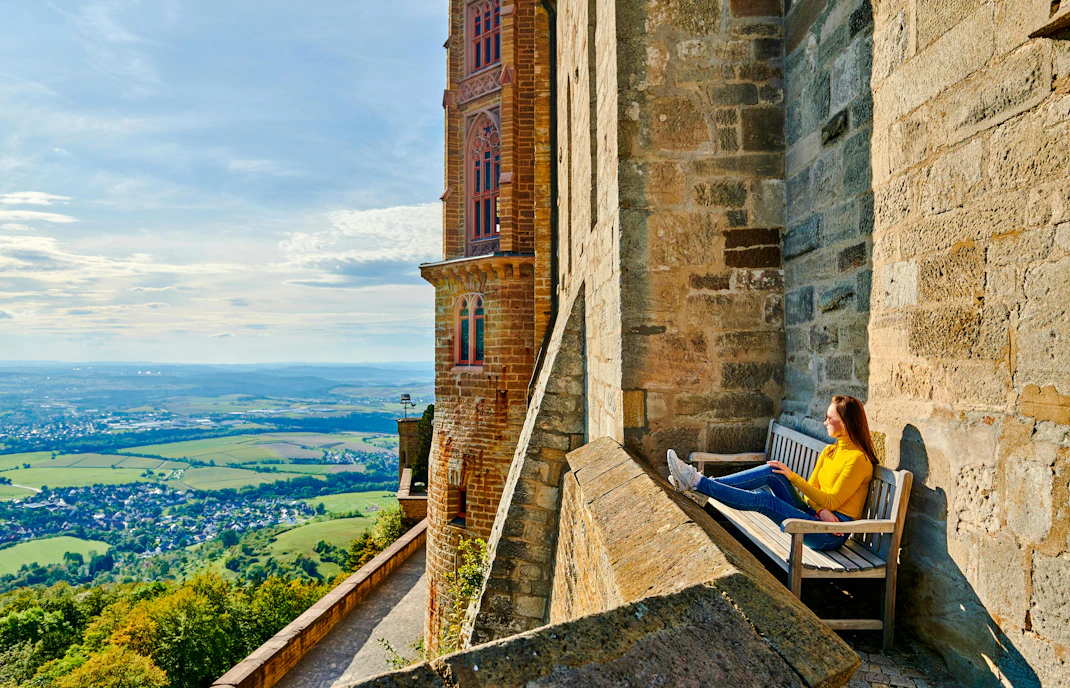
When it runs
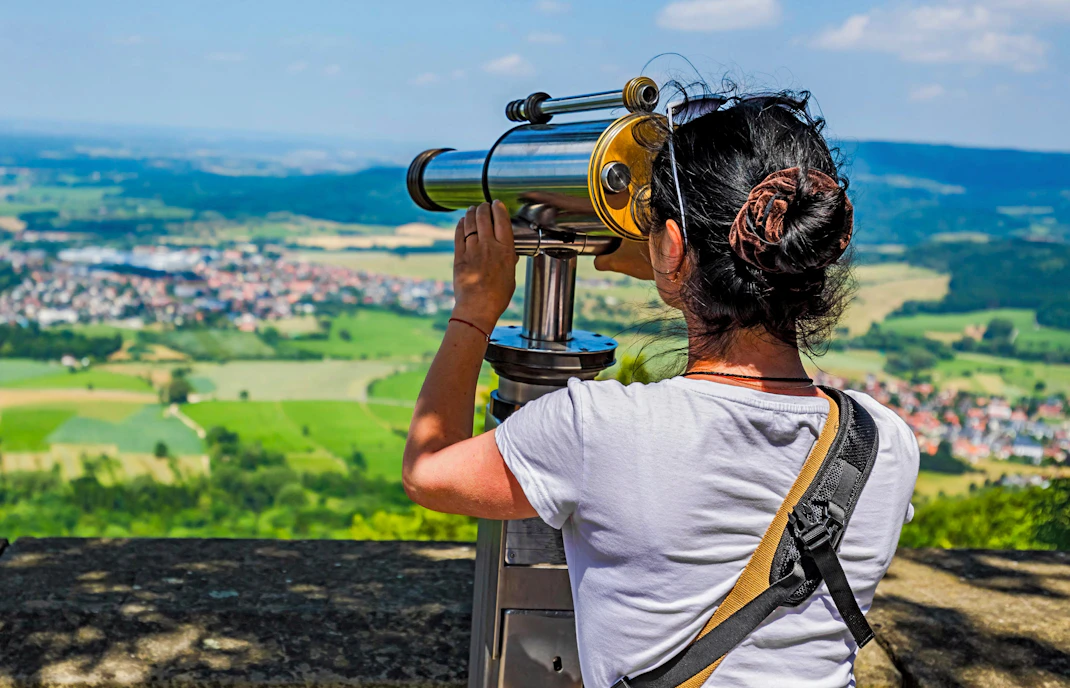
Best time to visit
A weekday morning in late spring or early autumn gives you calmer interiors and clearer exterior light for photographs. Weekends and holidays are busier, so an earlier start helps you experience the ascent, courtyard, and rooms before crowds build.
Getting there
From Stuttgart, the simplest route is a regional train to Hechingen followed by a bus or taxi to the castle parking area. From there, you continue by included shuttle to Eagle’s Gate or walk uphill if you want the full approach experience.
What to do at <attraction>?
This section walks you through a logical sequence of moments on a standard visit, from the shuttle stop and Eagle’s Gate to the courtyard, interiors, treasury, and final viewpoints.
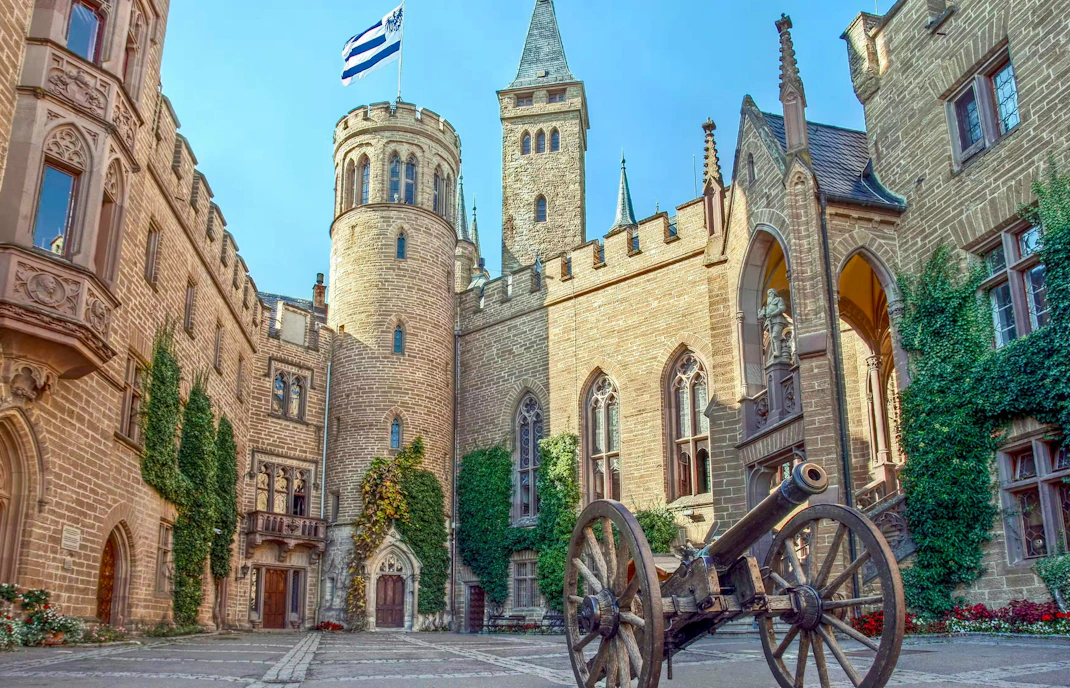
The arrival and courtyard
You reach Eagle’s Gate after the shuttle and a short uphill walk, then enter the courtyard for your first full sense of the castle’s scale. This is where the visit shifts from transit to experience, with architecture and hillside views immediately in front of you.
The interior sequence
From the courtyard, you move through the standard self-guided route across lower and upper floor rooms before continuing to the treasury and other core spaces. The visit works best if you treat the app as interpretation rather than expecting a guide-led room-by-room tour.
The exterior and viewpoints
Once you finish the interior route, the experience opens back outward toward terraces, grounds, and wide regional views. If the weather is clear, nearby viewpoints such as Zeller Horn often provide the most memorable full-castle perspective of the day.
Hohenzollern Castle is not a continuously preserved medieval palace but a 19th-century reconstruction built to project dynastic identity from a highly theatrical hilltop site. That matters once you arrive, because the approach, silhouette, and outward-looking terraces are part of the design logic rather than incidental scenery. Friedrich Wilhelm IV rebuilt it as the ancestral seat of the Hohenzollerns, which helps explain why the visit feels as much about symbolism and setting as about a long chain of furnished interiors. Understanding that reframes the castle from a room-heavy palace visit into a deliberately staged heritage experience.
Need to know
- The standard ticket covers the castle grounds, museum rooms, treasury, chapels, casemates, parking, and shuttle; it is primarily a self-guided visit.
- The hilltop approach includes a shuttle segment and a short uphill walk, so visitors with limited mobility should review access arrangements before the day.
- Winter visits need extra planning: exposed outdoor sections, wind, and colder interiors can make the experience feel longer than the route suggests.
- Dogs are allowed on the grounds and shuttle but not inside museum rooms or chapels, except certified assistance dogs where permitted.
Worth knowing
- Morning light is better for exterior photography, especially if you want the clearest silhouette views after arrival.
- If you are choosing between dates, book earlier weekend slots first; later afternoons can feel busier once day-trippers have reached the summit.
- If the full-castle panorama matters to you, pair the visit with a nearby viewpoint rather than expecting the paid route alone to provide the best exterior angle.
Frequently asked questions
Yes, especially if you want a scenic half-day or day trip that prioritizes the hilltop setting as much as the interiors. It works best when you value views, approach, and dynastic context over a very large palace route. [Directions page]
Most visitors spend around 2–3 hours on site, including the shuttle, uphill approach, courtyard, interior rooms, and photo stops. Add more time if you plan to combine the visit with a nearby viewpoint or café break. [Royal Strolling page]
No, the standard visit is designed to work as a self-guided route, with the castle app adding interpretation along the way. Guided or premium options matter mainly if you want deeper access beyond the usual interior circuit. [Exclusive guided group tour]
Yes, but winter changes the practical feel of the visit because outdoor sections are exposed and conditions can affect walking surfaces and hours. Check the official schedule before you travel rather than assuming main-season timings apply. [Winter hours page]
Dogs are allowed on the grounds and on the shuttle, but not inside the museum rooms or chapels. Certified assistance dogs are the main exception, so check the current access policy before arriving. [FAQ]